What happens to the organic material collected at Harrisonburg’s downtown bins?
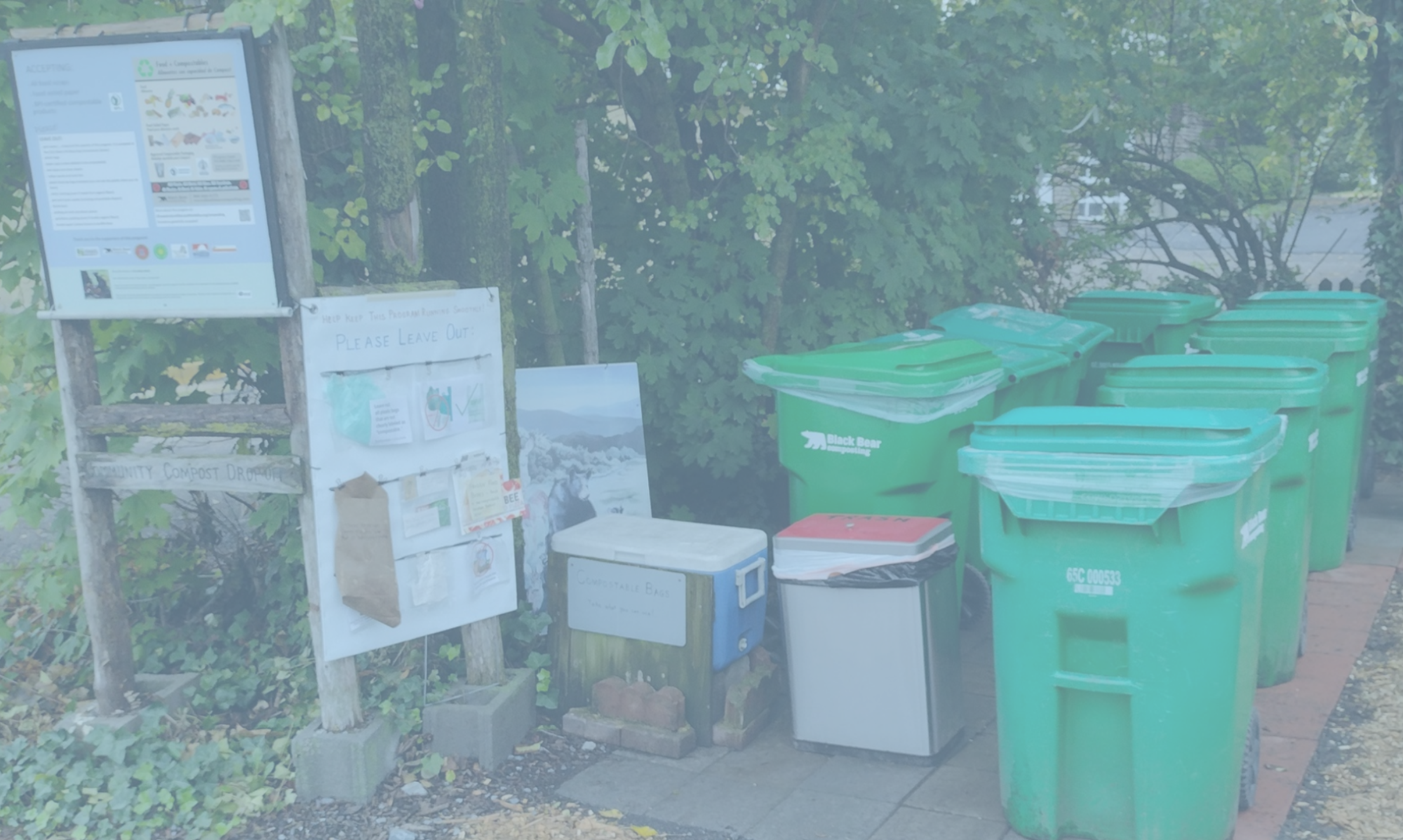
Each week, Black Bear Composting sends a truck to empty their 65 gallon collection toters at our Harrisonburg downtown food scraps drop-off location. They are driven about 20 miles away to Black Bear’s composting yard off Hwy 340 in Crimora to be turned into finished compost, available to area gardeners and farmers.
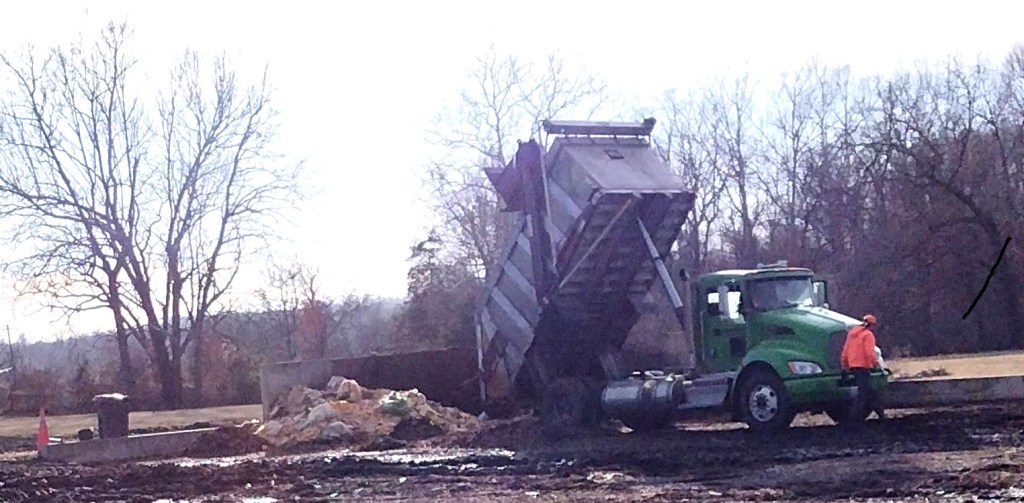
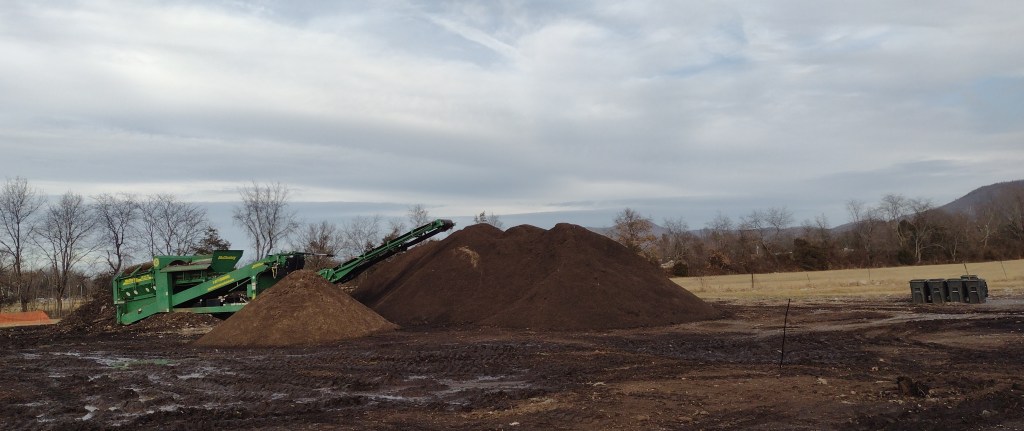
Taking from 4 to 6 months, the process begins with dumping the collections onto a concrete pad where they are mixed with at least twice their volume in dried leaves and wood chips donated by area municipalities and landscapers. From there they are turned onto a large concrete bay and covered with a thick layer of wood chips or “overs” which is the material screened out from a batch of otherwise finished compost.
The bay is specially outfitted with perforated PVC piping in the floor providing a conduit for air which is blown up through the pile on an intermittent basis. This Aerated Static Pile composting process creates an environment favoring microbes that will break down the material, and in the process uniformly heat the pile, killing pathogens and weed seeds.
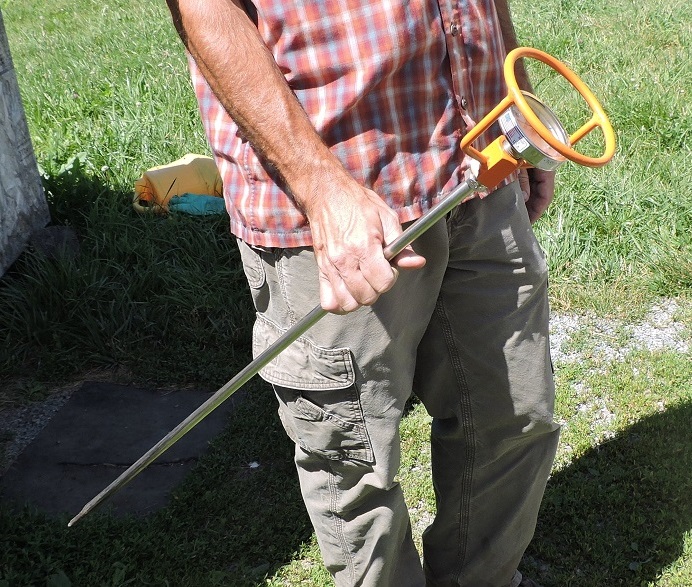
After several weeks of aeration, the material becomes stable and meets the required pathogen reduction standards so they can be turned out into long uncovered windrows. These are turned with a front loader every two weeks for a few months to introduce air for the hard working aerobic microbes continuing the composting process. The temperatures of the piles are monitored with a long-stemmed thermometer. Once the temperatures are consistently low enough to indicate the process is complete, the materials are mechanically screened to create the finished product.
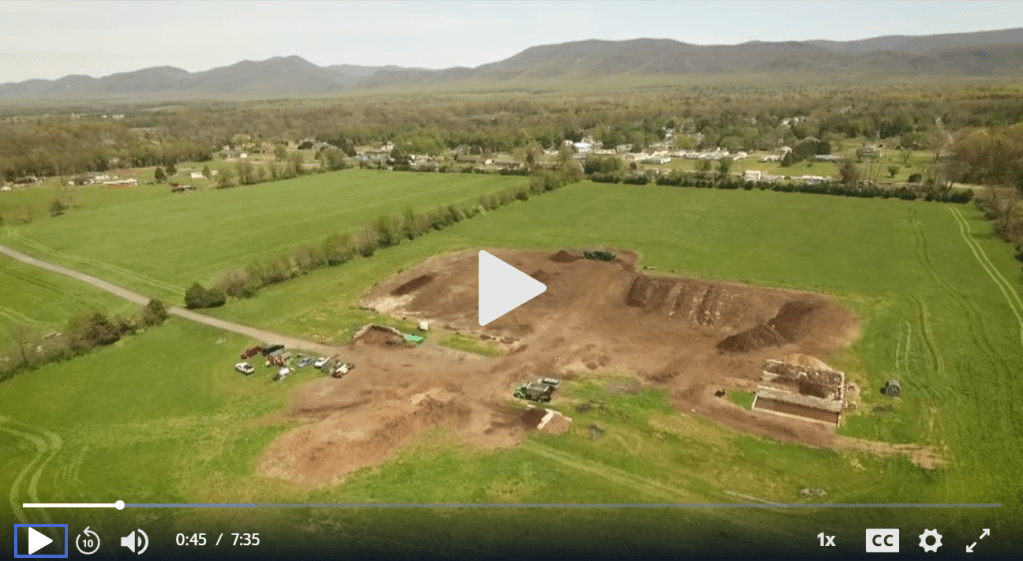
Onsite with Virginia Home Grown
Take a walk around the yard and hear from Black Bear’s owner/ operator Eric Walter in this video by Virginia Home Grown.
The Ingredients
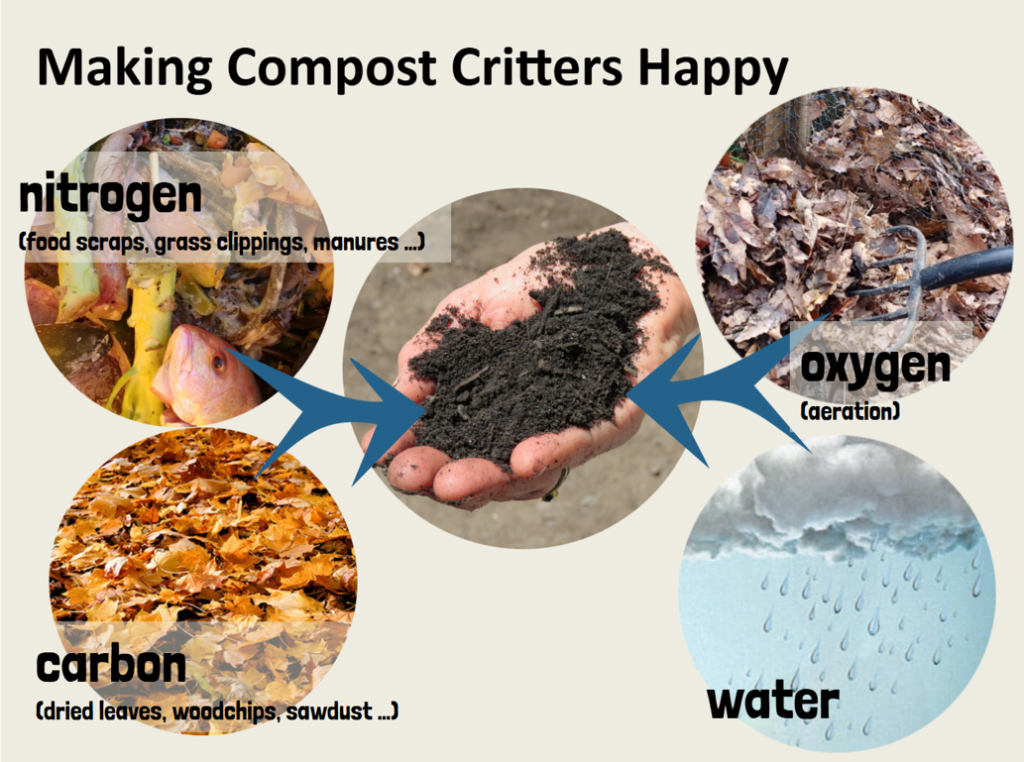
Any composting process is all about creating an environment for the microbes needed to do the work of converting carbon-based materials into nutrient-rich finished compost. The time it takes and heat achieved is manipulated by managing the volume of the pile of materials, aeration, moisture content, and proportions of relatively carbon-rich vs nitrogen-rich inputs.
Higher heated piles are capable of killing pathogens and weed seeds, and breaking down compostable “plastics.” Commercial-scale composting operations accomplish this due to the large volume of materials they handle and professional management techniques. Backyard efforts can still accommodate the majority of household organics with a little effort. Learn how from the Virginia Cooperative Extension Service here, and the US Environmental Protection Service here.
 Harrisonburg Composts